

AI is moving through your organization.
Do you know what it is changing?
For leaders, teams and curious individuals trying to make sense of how AI moves from idea to operation.
The 12 Hidden Dynamics: Operational Analysis System
Most AI evaluations focus on the model, the use case, the project, or the control environment.; The 12 Hidden Dynamics Operational Analysis System focuses on seeing the ripple effect before it becomes an operational consequence.
It applies established disciplines from:
systems engineering;
requirements development;
workflow automation;
test design;
performance engineering;
and operational assurance.
These disciplines are adapted to a new problem: determining whether an AI-enabled workflow can safely absorb the variability, acceleration, authority shifts, and operational pressure AI introduces.
Giving individuals, teams, and leaders a practical language for seeing how AI reshapes judgement, trust, accountability and workflow behavior after adoption.
Three Ideas.
One Operating Lens.
The AI in Motion Series.

The 12 Hidden Dynamics
Explore what happens when AI enters everyday work and begins changing how decisions, judgment, trust, and workflows behave. This series introduces the recurring patterns that often remain invisible during early adoption, including confidence drift, silent error amplification, embedded dependency, invisible rework, and human judgment displacement. It helps people to see the ripples AI creates before those changes become operational consequences.

Hidden Systems
Examine what happens after AI becomes embedded inside the structure of an organization. This series looks at how AI changes workflows, dependencies, controls, authority, escalation paths, and operational resilience once it moves beyond isolated tools or experiments. This series will help leaders understand where AI is becoming load-bearing and what must be visible before organizations can scale it responsibly.

Hidden Creation
Explore the next stage of human and AI collaboration: moving from adoption to intentional design. It focuses on how organizations can shape AI-enabled work with coherence, constraint, creativity, and operational discipline so AI amplifies human capability without destabilizing the system. This series will help leaders imagine and build a more mature future where AI is not just used, but deliberately integrated into how value is created.

Related Services

Hidden Dynamics Workshop
Project Management & TeamsA practical workshop that helps teams recognize the recurring patterns that emerge when AI enters real workflows.
Using the concepts from The 12 Hidden Dynamics and the Field Guide, participants examine how AI can create confidence drift, silent error amplification, embedded dependency, invisible rework, human judgment displacement, decision drift, and other operational patterns. The session is designed to help teams develop a shared language for what is changing, where visibility is limited, and which workflows may need closer attention before AI use scales further.
Typical format: half-day or full-day workshop
Includes: Field Guide for each participant

Hidden Dynamics Executive Briefing
Senior Leaders, Boards, CIOs, CEOsFocused session for leaders navigating AI transformation who need a clear vision of how AI changes operational behavior.
This briefing introduces the core ideas behind The 12 Hidden Dynamics and helps leaders understand why AI adoption is not only a technology or productivity issue, but an operating system issue. Participants explore how AI can shift decision-making, accountability, workflow behavior, human oversight, and organizational exposure once it becomes embedded in everyday work.
Typical format: 90-minute to half-day session
Includes: Executive Playbook for participants
AI Workflow Visibility Lab
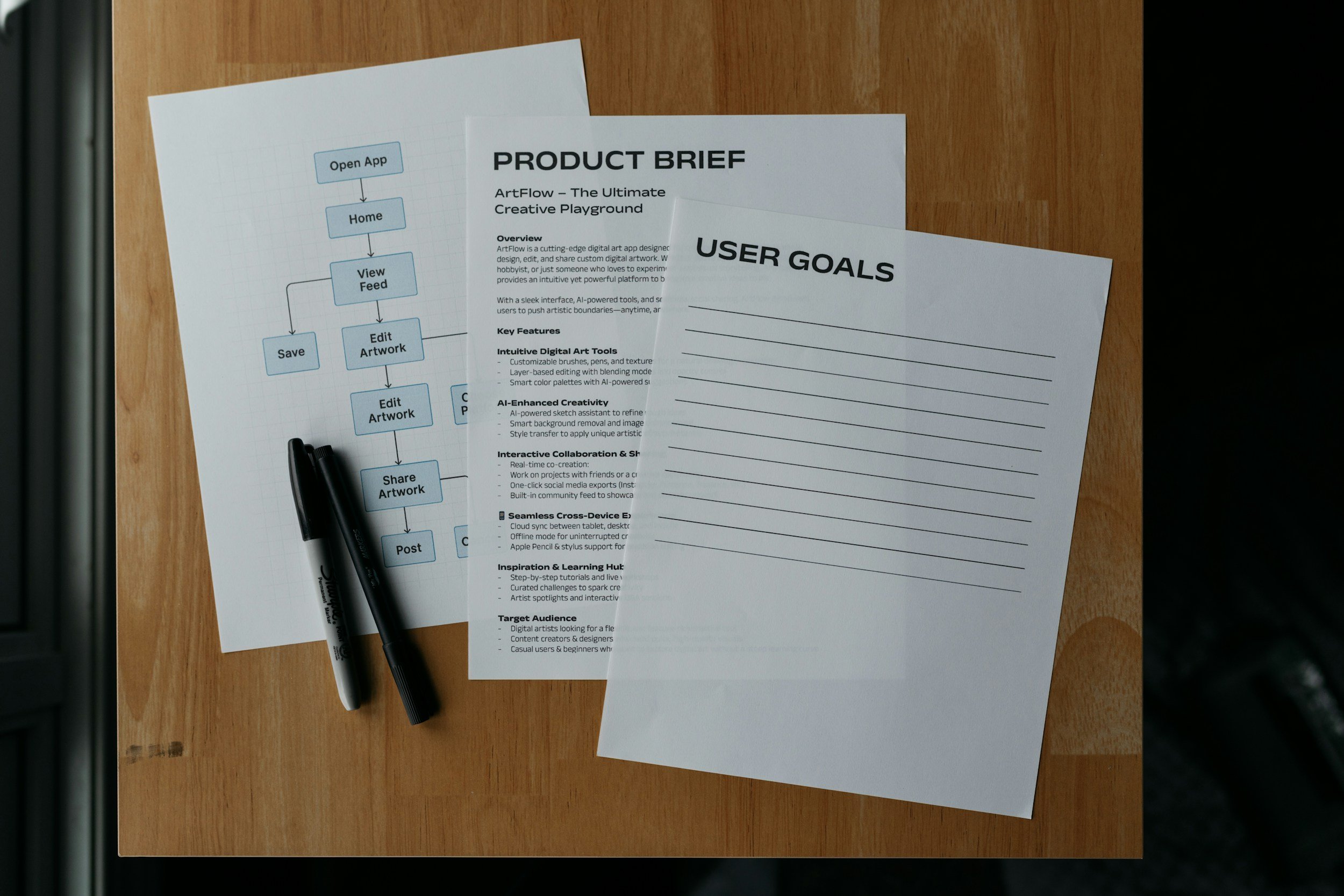
A facilitated working session focused on one specific AI-influenced workflow, business process, or operational area.
Participants map where AI is currently influencing work, where human judgment is being used or displaced, where AI outputs move downstream, and where visibility may be incomplete. The goal is not to redesign the workflow during the session, but to create a clearer picture of where AI is shaping operational behavior and where further analysis may be needed.
Typical format: half-day to full-day lab
Includes: workflow discussion guide, facilitated mapping session, summary observations
AI Implementation Teams
AI OAM³ Rapid Diagnostic
A structured diagnostic assessment using the AI OAM³ engine to evaluate how AI-enabled workflows interact with operational systems.
The diagnostic examines selected workflow decision points to identify where AI is influencing outcomes, how well the workflow can absorb AI variability, where downstream effects may occur, and what operational evidence may be needed to demonstrate responsible use. The assessment produces a structured view of AI operational exposure, visibility gaps, workflow absorption limits, and potential safeguard considerations.
Typical format: 2-3 week scoped diagnostic engagement
Outputs may include: AI workflow visibility map, Hidden Dynamics indicators, workflow absorption observations, operational exposure themes, and recommended next-step priorities
AI Enterprise System Rolloutcontact: services@keatonconsulting.com
to schedule a requirements discovery call for more information about our corporate offerings including Learning Management System (LMS) integrations and pricing.